What We Do

Services

The full list of paving and repair work we handle, start to finish.

Home › Services

Everything we take on

Every job below is one we do ourselves across Brooklyn.

Asphalt Driveway Paving

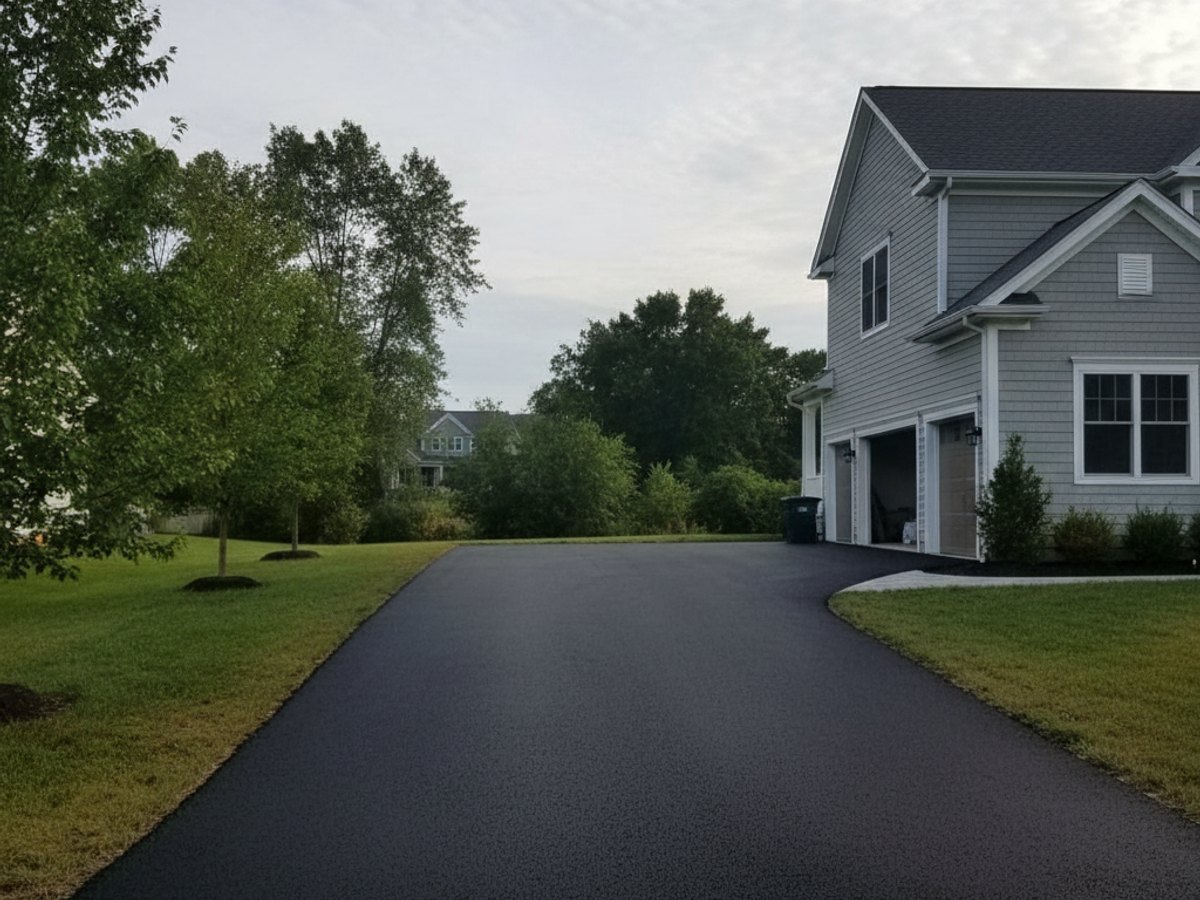
We excavate the old surface, set a compacted stone base, and lay both a binder course and a top course of hot mix asphalt. The finished driveway is graded to pitch water away from your garage and foundation instead of toward it.

Asphalt Parking Lot Paving

Commercial lots take heavier, more concentrated loads than a driveway, so the base depth and mix design have to account for that. We grade the surface toward the catch basins and can add striping once the new asphalt has cured.

Asphalt Sealcoating

A sealcoat layer protects the asphalt binder from sun, gas, oil and salt, and it's the cheapest thing you can do to add years to a driveway or lot. We recommend it every two to three years once the original surface has cured for at least six months.

Asphalt Crack Repair

Small cracks let water into the base, and once water's under the surface, freeze-thaw cycles turn a hairline crack into a pothole fast. We rout out the crack and fill it with hot, rubberized sealant instead of a cold-pour product that shrinks and pulls loose in a season.

Pothole Repair

A pothole usually means the base underneath has already failed, not just the surface. We cut the damaged area back to solid asphalt, replace the base if it's saturated, and compact new hot mix in layers instead of dumping it in one lift.

Asphalt Resurfacing

If the base is still sound and the damage is mostly surface-level, we can mill the top layer and lay a new course over it instead of tearing out the whole driveway. It costs less than a full replacement and buys another several years.

Asphalt Patching

For isolated problem spots, a birdbath area that holds water, or a section damaged by a utility cut, patching fixes the spot without touching the rest of the driveway. We match the patch depth to the surrounding asphalt so it doesn't sit higher or lower than the existing grade.

Asphalt Milling

Milling grinds down the existing surface to a set depth, which we use to correct a driveway built up too high against a garage door or to prep for a resurfacing job. The reclaimed material can sometimes be reused as base on the same site.

Asphalt Curbing

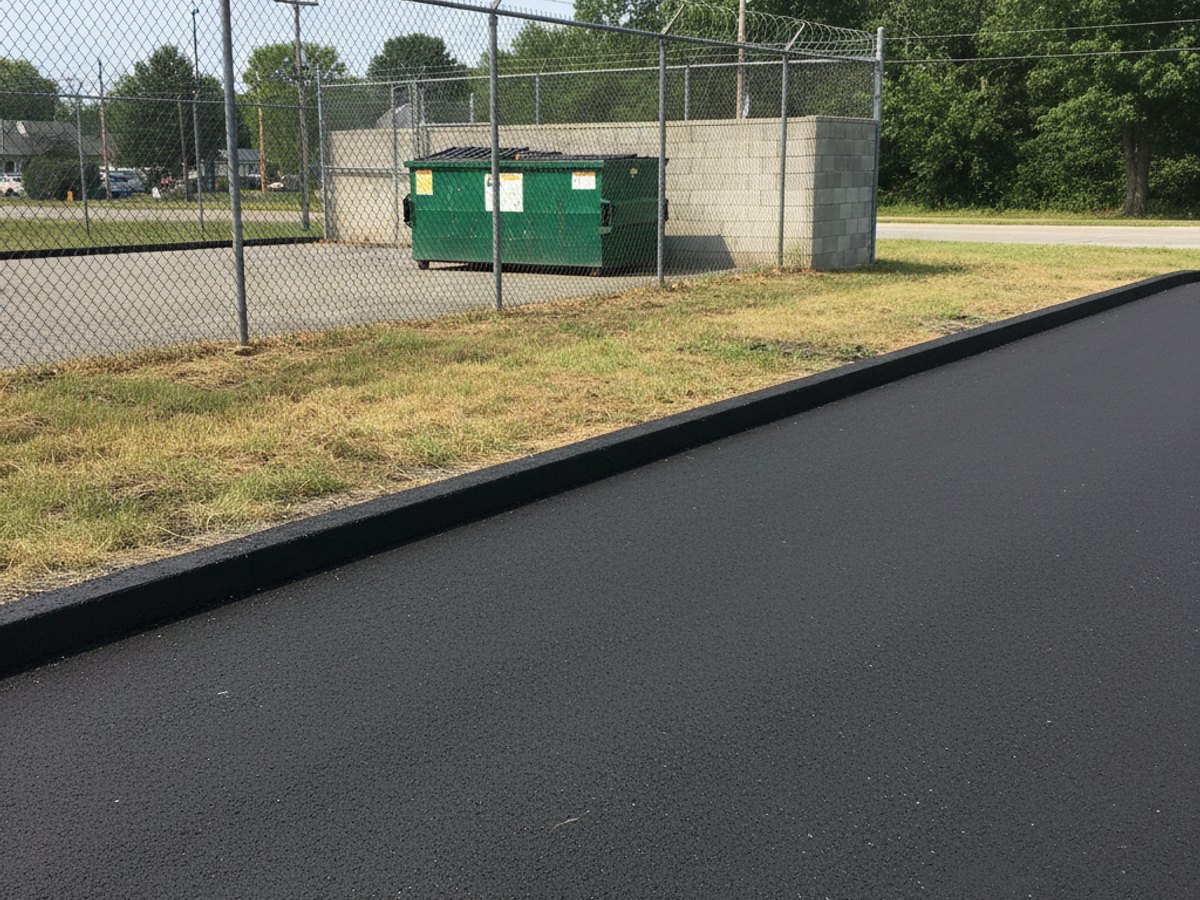
We form and pour asphalt curbing along driveways and parking lots to direct water runoff and keep cars off planting beds or grass edges. It's a lower-cost alternative to concrete curbing and it goes in fast.

Line Striping

Once a lot's asphalt has cured, we stripe parking spaces, fire lanes and handicap markings to code. Paint wears faster in high-traffic lanes, so we can spot-restripe just those areas without repainting the whole lot.

How It Works

Four steps, and no surprises in any of them.

01

We come and look

You tell us what you want doing, we look at what is actually there, and we ask the awkward questions early.

02

You get a price

In writing, itemised, free. If something might add cost later we flag it now rather than at the end.

03

We do the work

Same crew throughout. We cover your floors, keep the dust down and tidy up before we leave each day.

04

We walk it with you

You point out anything you are not happy with and we fix it before the invoice, not after.

Where We Work

All of this, across Brooklyn, NY

We bring the same crew and equipment to every town on this list.

Brooklyn, NY
Queens, NY
Bronx, NY
Staten Island, NY
Newark, NY
Jersey City, NY
Yonkers, NY
Elizabeth, NY
New Rochelle, NY
Mount Vernon, NY
Hempstead, NY
Common Questions

Things worth asking

Questions that come up once a project's actually underway.

Do I need a permit to pave my driveway?
Some municipalities require a permit for a new driveway apron or curb cut where it meets the street, especially if the width or location is changing. An existing driveway resurfaced in the same footprint usually doesn't need one, but checking with the local building department first avoids problems later.
How long does an asphalt driveway take to install?
A typical residential driveway takes one to two days for excavation, base work, and paving, weather permitting. Full cure time before driving on it is usually two to three days, and it can take up to a year for the asphalt to fully harden.
Can you work within a set budget?
Asphalt jobs can be scoped to fit a budget, for example resurfacing over a sound base instead of a full tear-out, or sealcoating and crack repair instead of replacement. Stating the budget upfront lets the contractor suggest the option that fits instead of quoting the most expensive fix by default.
Do you offer any kind of guarantee on the work?
Reputable asphalt contractors typically guarantee workmanship for a set period, separate from any manufacturer warranty on materials. Ask what the guarantee actually covers, since a materials warranty doesn't always cover installation issues like poor compaction or drainage.
Will I be dealing with a project manager or the crew directly?
On most residential and small commercial paving jobs, the same person who quotes the job runs the crew on-site, so questions go straight to whoever's operating the equipment. Larger commercial projects sometimes have a separate site supervisor coordinating multiple crews.
What kind of asphalt mix do you use?
Residential driveways typically use a standard dense-graded hot mix asphalt applied in a binder course and a top course. Commercial lots or roads may call for a heavier-duty mix with a different aggregate size depending on the load they carry.
Can I still use my driveway while the work is happening?
A driveway or lot can't be driven on during excavation, base work, or while the new asphalt is curing, which typically takes two to three days after paving. Parking arrangements should be planned on the street or elsewhere during that window.
What should I do to prepare before the crew arrives?
Move vehicles off the driveway or lot and clear away anything stored on the surface, since it all needs to be excavated or paved over. Note any sprinkler heads, utility covers, or drainage lines near the work area so they can be protected or worked around.
What if you find a problem underneath once the old asphalt is removed?
Excavation sometimes uncovers a soft or saturated subgrade, an old utility line, or a drainage issue that wasn't visible before tear-out. This gets flagged and priced separately before work continues, rather than paving over a problem that will just resurface later.
How do I take care of a new asphalt driveway or lot?
Keep vehicles off a new driveway for at least two to three days after paving, and avoid parking in the same spot repeatedly for the first few months while it's still curing. Sealcoating every two to three years and filling small cracks as they appear keeps water out of the base.

Not sure what you need?

Describe the problem and we will tell you what it probably is. No obligation.
Call (516) 842-9386